

Approach
Reconnect with yourself through storytelling, creative play, and tuning into your present experience.
I strongly prioritize client safety, autonomy, and voice in the therapeutic process. Sessions with me are generally unstructured, although I can provide more structure to clients who prefer it. We usually just start with whatever you’re coming in with. From there, I’ll support you in slowing it down, untangling everything, noticing what parts of you are activated, getting curious about their stories, and helping them to write new ones. Tuning into the parts of you that are present involves a lot of mindful awareness of your thoughts, feelings, physical sensations, and anything else that might come up for you. Because of this, I’ll often say something like “what are you noticing?” when we’re working together.
I mainly use internal family systems (IFS) therapy, which helps you bring curiosity and compassion to every part of you.
In IFS therapy, we think of your inner world as being inhabited by a cast of characters that all have their own motivations, fears, and relationships with each other. IFS calls these “parts.” When we have painful experiences, some parts of us may take on the feelings, sensations, beliefs, and stories associated with that experience. IFS calls these “burdens.” Other parts take on protective roles to both shield us from the pain of the burdened parts. These protective parts may have proactive strategies, which can include staying organized, exercising, perfectionism, avoidance, and self-criticism. When parts take on proactive strategies, IFS calls them “managers.” When these strategies inevitably fail and painful burdens are exposed, parts then use reactive strategies to “put out the fire” and make the pain of the burdens go away (which is why IFS calls parts that use these strategies “firefighters”). These strategies can include scrolling on Tik Tok, having sex, binge eating, using substances, dissociating, engaging in self-harm, and having suicidal thoughts. The important thing to keep in mind is that all of these parts have positive intentions, but they often have limited tools at their disposal and may not be aware of the consequences of their actions.
In IFS we also talk about the Self, or the “you who’s not a part.” Everyone has a Self that can’t be damaged, just hidden. Protective parts often crowd out Self similar to how clouds crowd out the sky, but Self is still there. A incomplete list of traits of Self can be remembered as a list of 8 C’s: compassion, curiosity, calm, confidence, courage, creativity, connectedness, and clarity. In IFS therapy, we help parts start to have more collaborative relationships among each other and to start to trust in the Self’s leadership. The more this happens, the more parts start to work together instead of against each other, and the more you’ll start to feel like you’re in the driver’s seat.
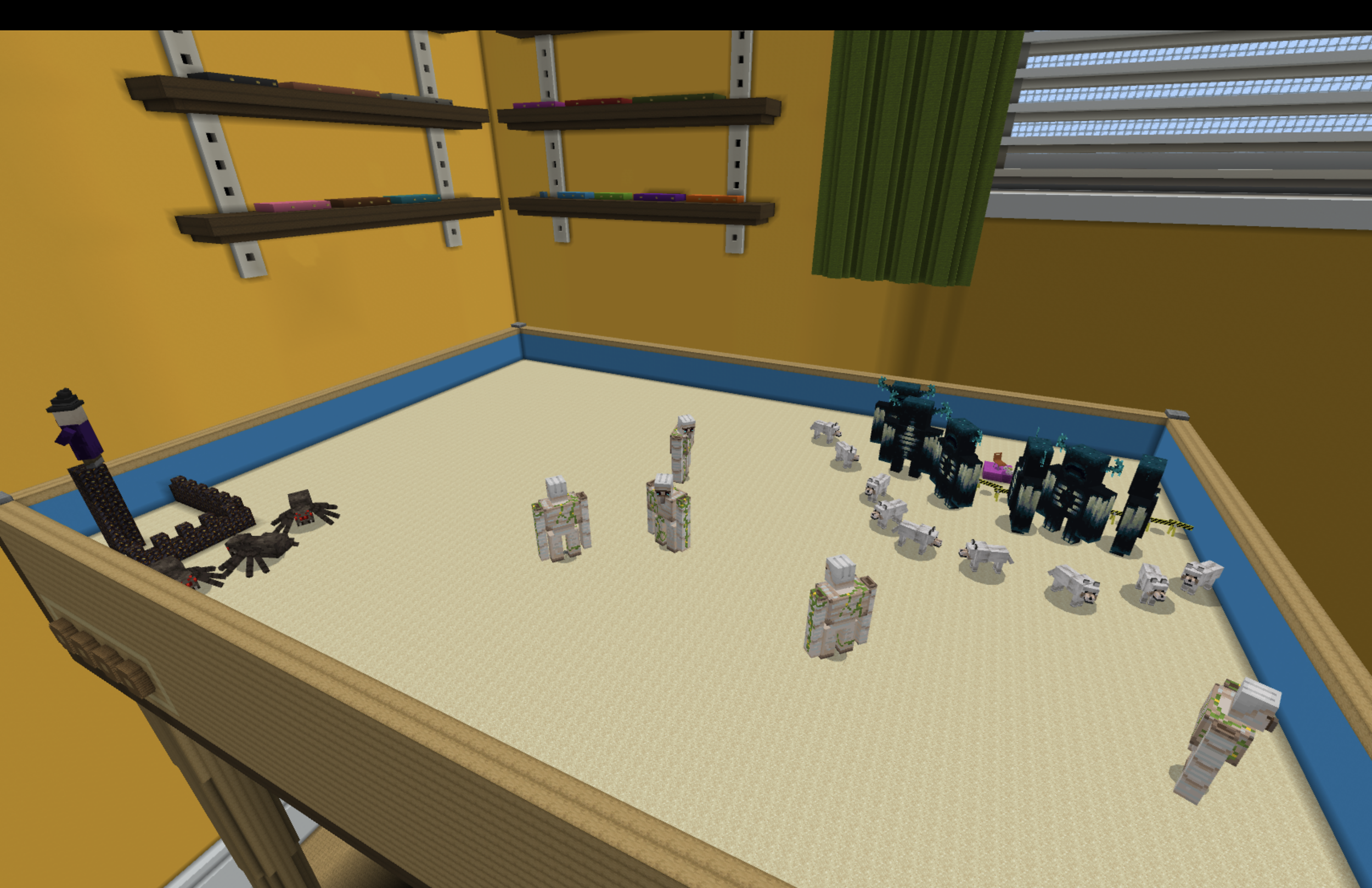
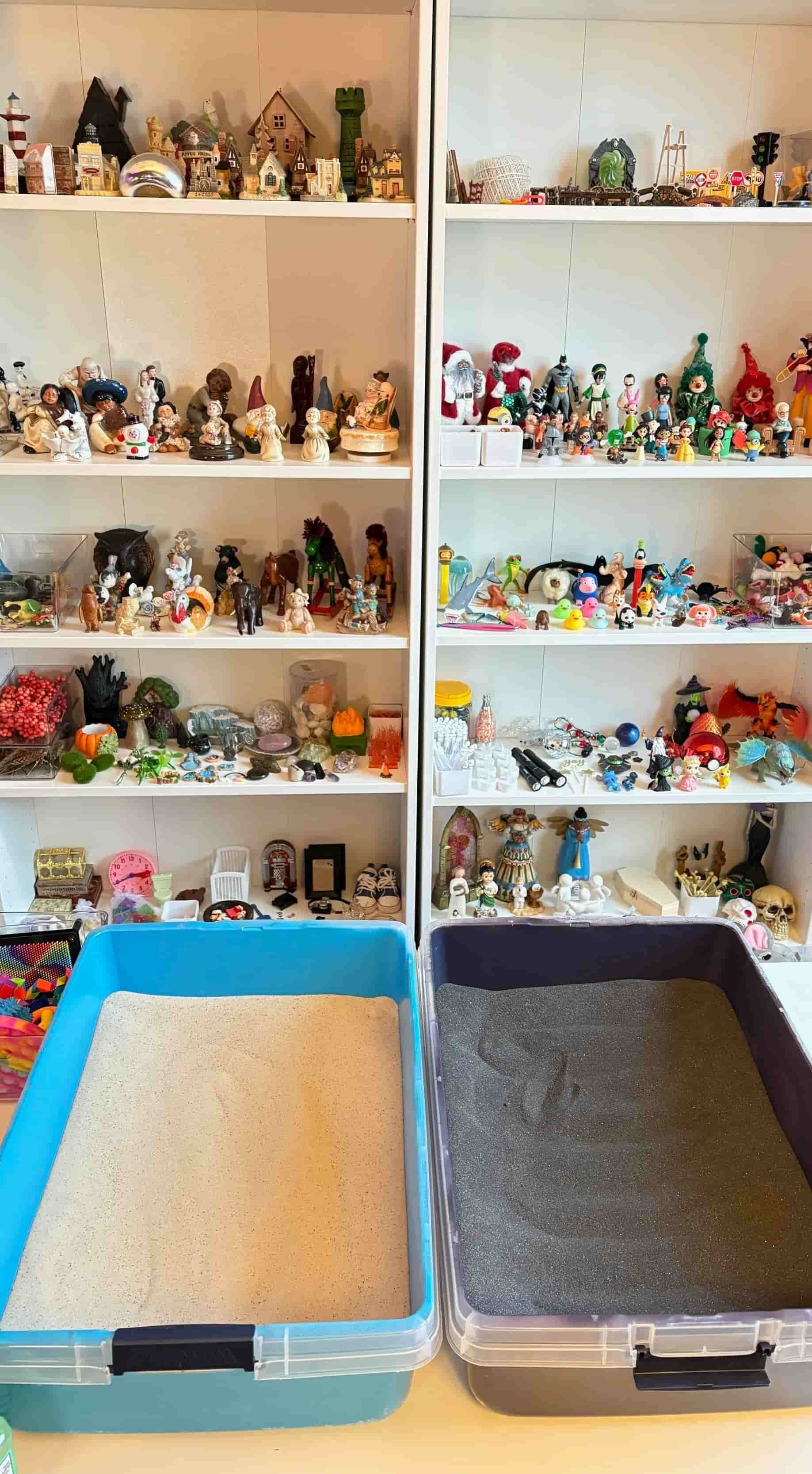
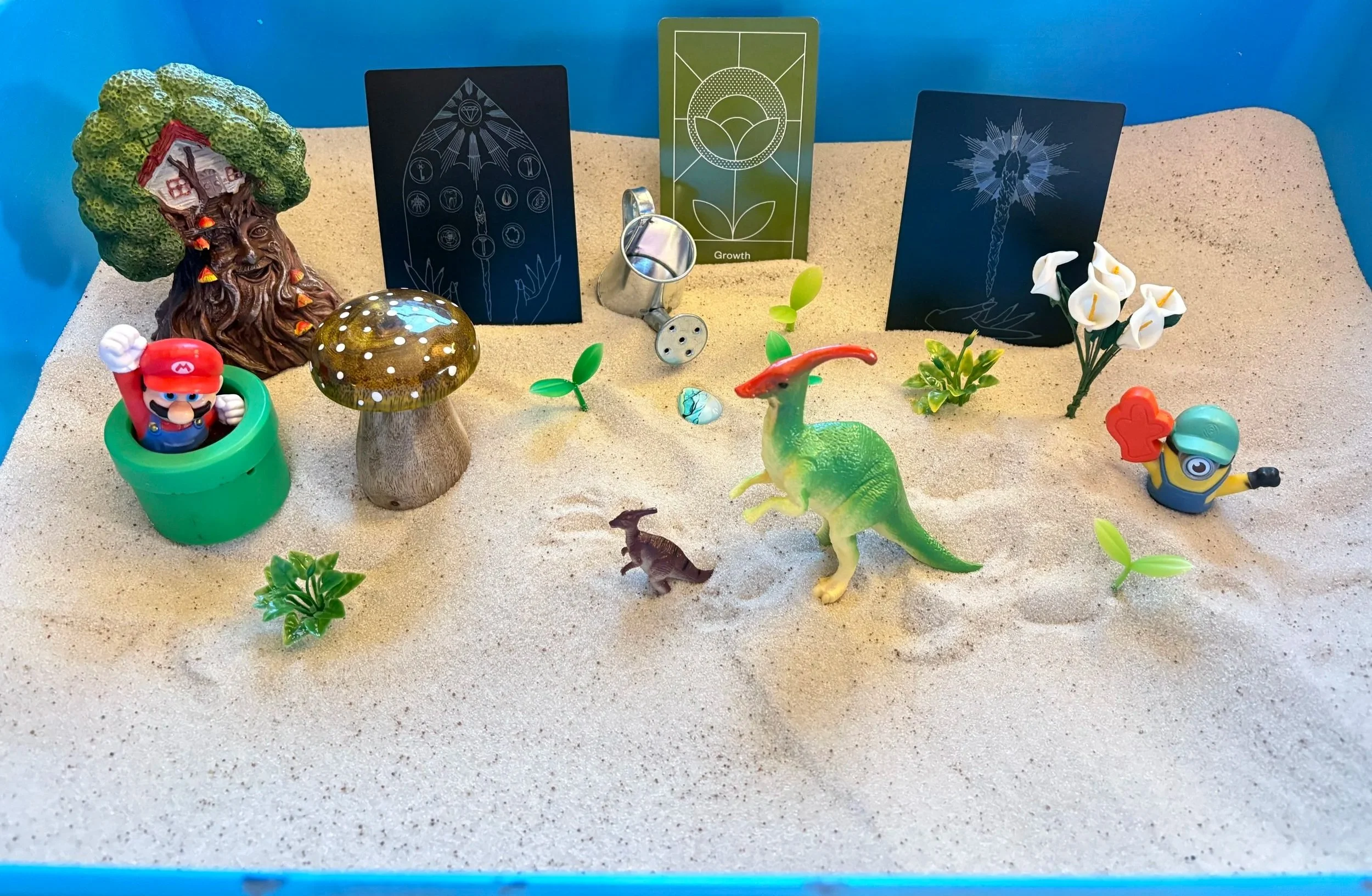
I also provide sandtray therapy and Minecraft as options for expressing and processing this inner drama as it unfolds.
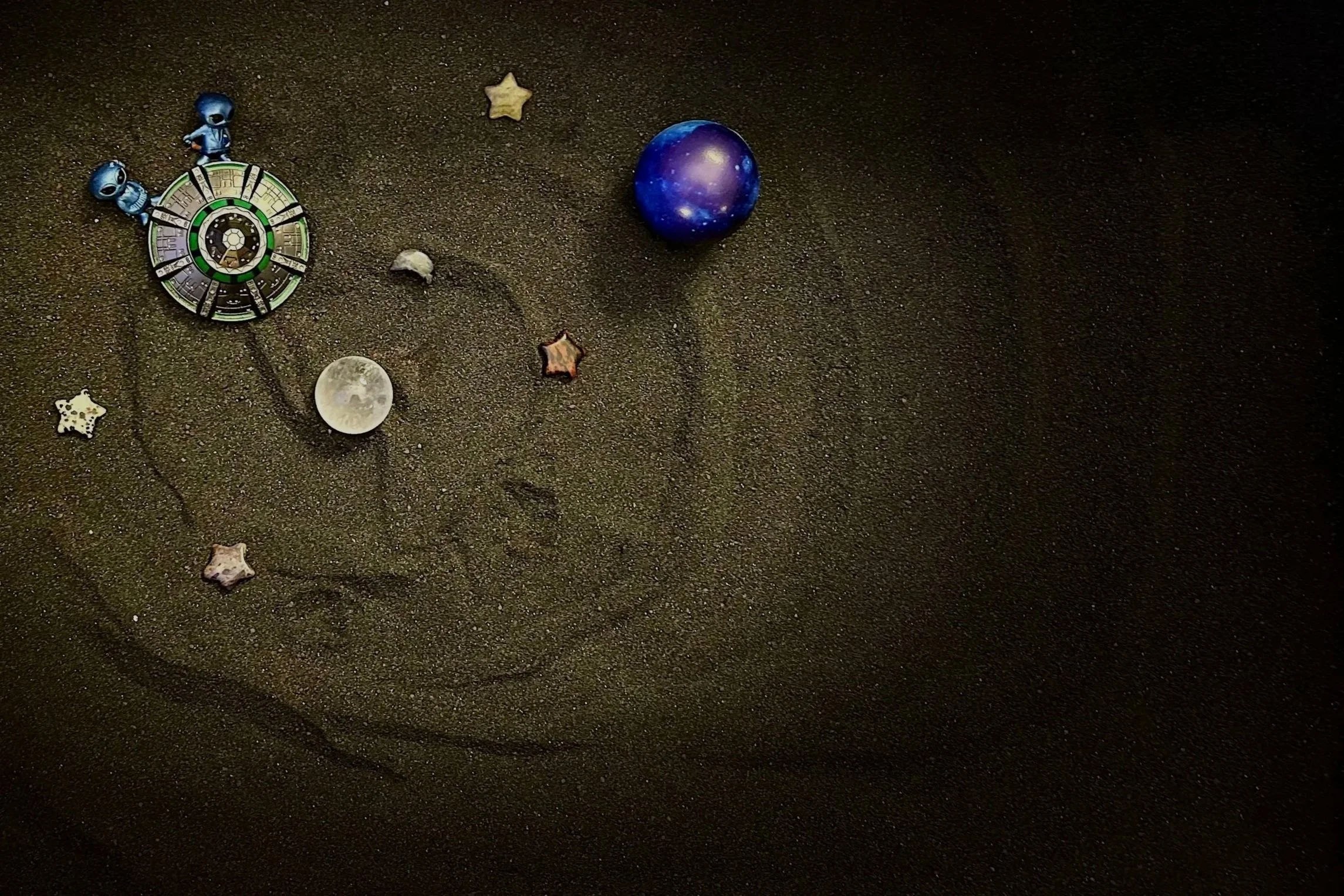
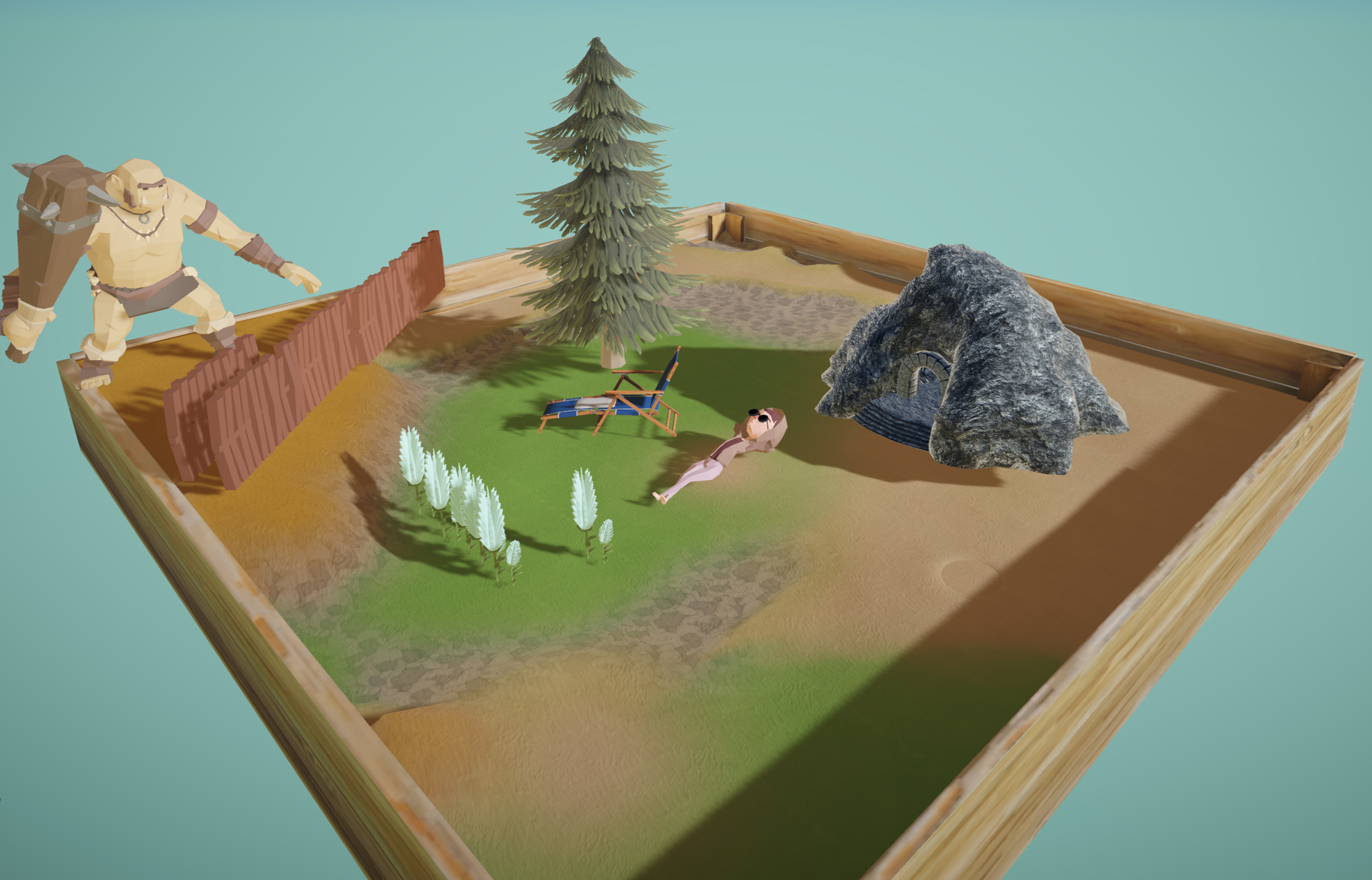
Sometimes words aren’t enough to capture our experience, and sometimes speaking them out loud doesn’t feel safe yet. In sandtray therapy, clients arrange miniatures in a sandtray to express whatever needs to be expressed. Clients sometimes want to talk about what they’ve made and what it means, but sometimes the sandtray is enough and words aren’t needed. Minecraft is one option I provide to clients as form of sandtray via telehealth, and I’ve pursued training in using Minecraft therapeutically from a therapist named Ellie Finch and her organization Playmode Academy. Learn more about Ellie’s use of Minecraft in therapy here.
Both sandtray and Minecraft can be powerful therapeutic tools for clients of all ages. All of us played before we could talk, and sometimes play can go where words can’t.

“All adults were children at first, but only a few of them remember it.”
- Antoine de Saint-Exupéry - The Little Prince